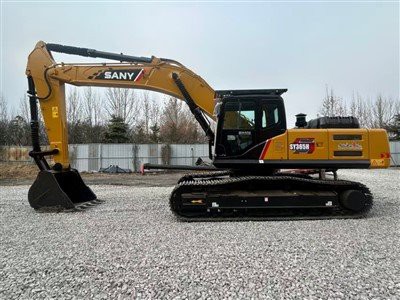
Used bulldozers are essential machinery in construction, mining, agriculture, forestry, and infrastructure projects. Due to their cost-effectiveness and practical utility, they are widely adopted. Understanding the basic features of used bulldozers helps companies make informed decisions when purchasing and operating these machines.
Structure and Power System
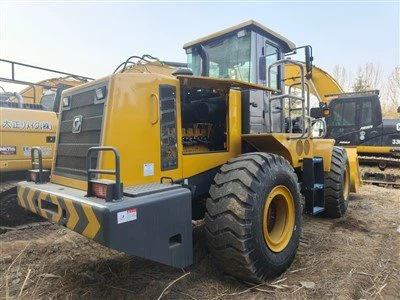
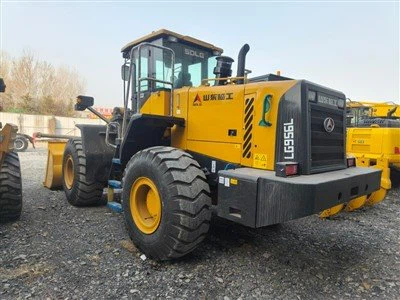
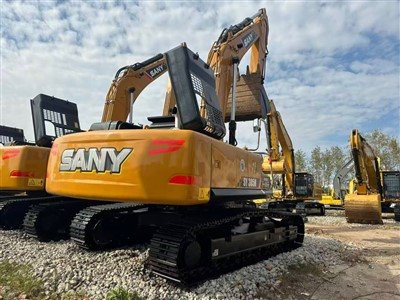
Used bulldozers typically come with either a tracked or wheeled chassis, powered primarily by diesel engines. Tracked chassis provide stability and traction on soft or uneven terrain, while wheeled chassis offer better mobility on flat surfaces.
Dozing and Work Attachments
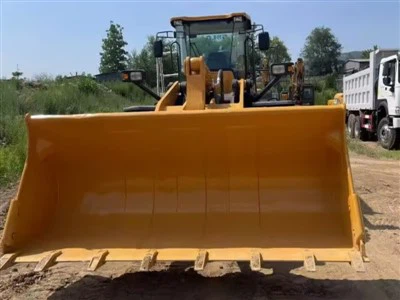
The main working component is the front blade, which enables pushing, leveling, trenching, and backfilling. Blade capacity and adjustability determine the efficiency and range of applications of the bulldozer.
Control and Operator Systems
The operator cab is compact, featuring controls such as directional levers, speed adjustment, and hydraulic valves. With good visibility and integrated safety features, operators can work safely even in challenging environments.
Application Range and Work Environment
Used bulldozers are suitable for construction sites, mining operations, agricultural and forestry land preparation, and road building. Selecting the appropriate model according to terrain, soil type, and work intensity ensures optimal performance.
Cost-Effectiveness and Maintenance Considerations
Compared with new machines, used bulldozers are more affordable. However, careful attention must be paid to engine wear, hydraulic system condition, chassis wear, and overall structural integrity. Proper maintenance extends service life and maximizes return on investment.
Conclusion
Used bulldozers combine cost efficiency with practical functionality. Their key features include a reliable power system, versatile work attachments, effective operator controls, and adaptability to diverse work environments. Understanding these characteristics enables companies to choose the right equipment and ensure efficient project execution.