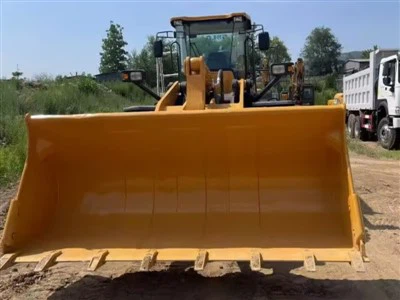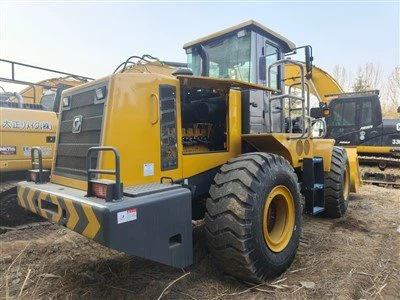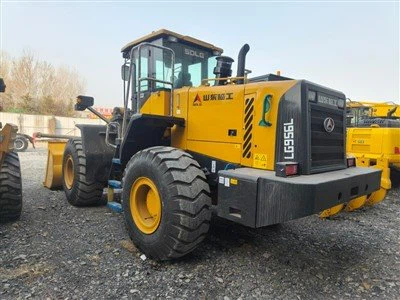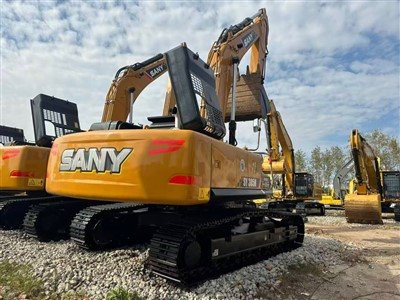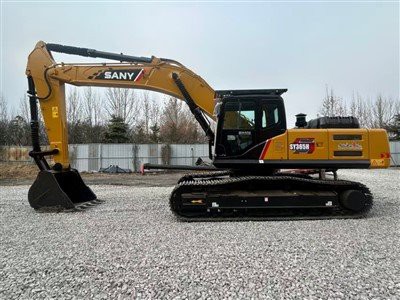
Wheel loaders can be classified based on their size, structure, and intended operating environment. Each type has distinct features and applications
Small Wheel Loaders
Features: Compact structure and high maneuverability, ideal for sites with limited space.
Applications: Landscaping, municipal projects, warehouse operations, and light construction material handling.
Medium Wheel Loaders
Features: Balanced power and flexibility, with a moderate bucket capacity suitable for general construction and material handling tasks.
Applications: Road construction, small- to medium-scale mining operations, stockpiling, and loading/unloading materials.
Large Wheel Loaders
Features: High power and large bucket capacity, designed for heavy-duty, high-intensity operations.
Applications: Mining, large construction sites, port terminals, and heavy material transport.
Multi-Functional Wheel Loaders
Features: Capable of using a variety of attachments such as grapples, pallet forks, and snowplows, offering high operational versatility.
Applications: Logistics handling, snow removal, stacking, and diverse construction or municipal tasks.
Special-Purpose Wheel Loaders
Features: Engineered for specific industry requirements, such as high-temperature resistance, corrosion resistance, or extra-large load capacity.
Applications: Steel mills, chemical plants, coal mines, and other extreme environments.
Conclusion
Wheel loaders come in a wide range of types to suit different site scales, workload intensities, and functional requirements. From small to large, from general-purpose to multi-functional and special-purpose models, each type plays an indispensable role in construction, mining, logistics, and municipal operations.